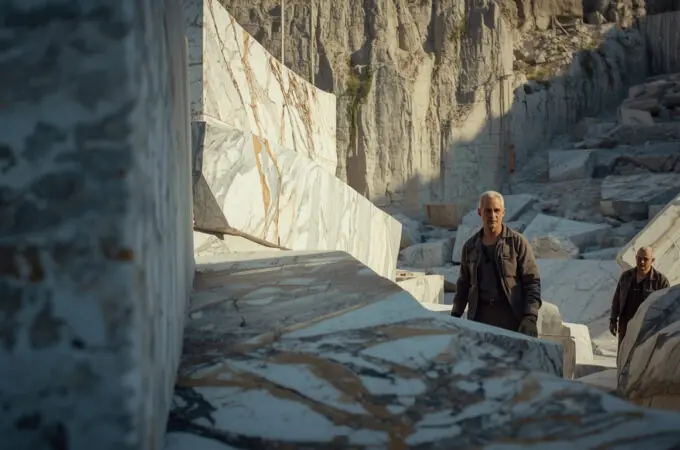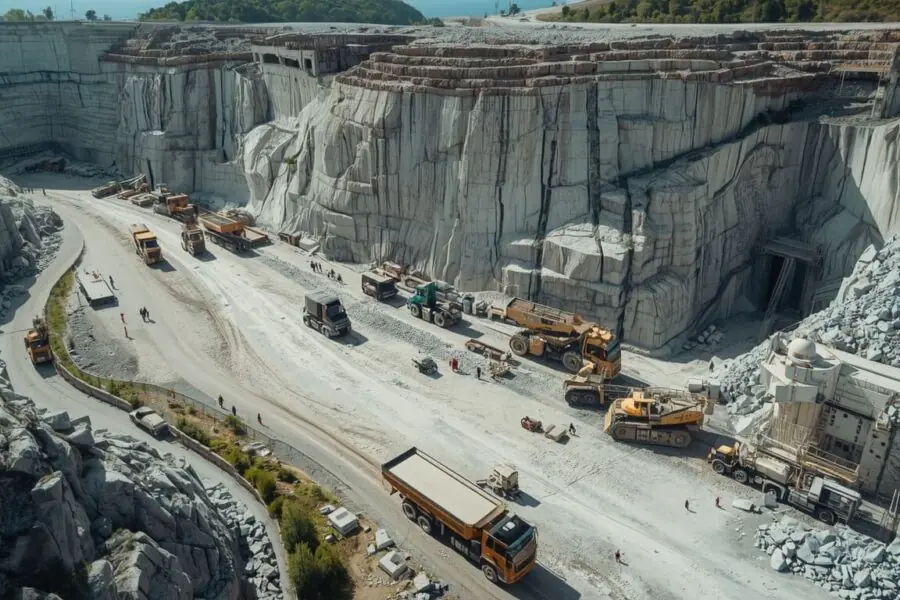
The natural stone market in 2026 is not defined by design trends alone. The real changes are happening deeper – in sourcing models, pricing pressure, logistics, and how buyers make decisions.
For slab yards, fabricators, and importers in the U.S., understanding these shifts is no longer optional. It directly impacts margins, inventory strategy, and long-term competitiveness.
This is a practical breakdown of the trends that are actually shaping the market.
Looking for reliable stone supply?
We organize direct quarry sourcing from Turkey with container-based delivery across the U.S. Structured for fabricators, contractors and project-based supply.
Direct Quarry Supply Is Becoming a Strategic Advantage
One of the most important shifts is the gradual move away from distributor-dependent sourcing.
More buyers are exploring direct relationships with quarries and factories, especially for:
- better pricing control
- access to consistent materials
- ability to scale inventory
This does not mean distributors disappear. But for growing slab yards, direct container supply is increasingly becoming a second channel rather than an alternative.
Buyers who understand how to work with quarry-based supply gain more control over both cost and material selection.
Fabricators Are Prioritizing Consistency Over Price
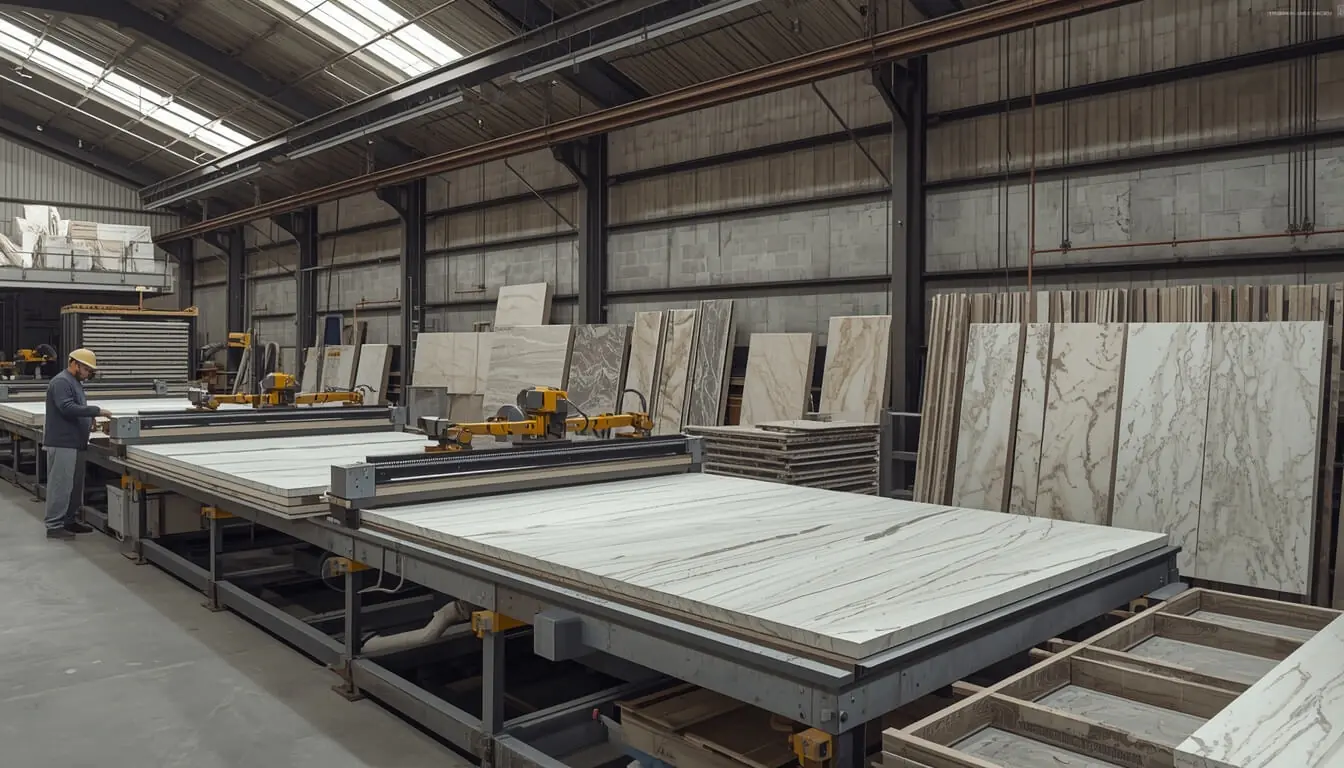
Another clear shift is in how fabricators evaluate materials.
Price still matters. But inconsistency creates bigger problems than higher cost.
Fabricators increasingly look for:
- repeatable color and pattern
- stable thickness and finish
- predictable slab quality across bundles
This changes how suppliers compete. It is no longer just about offering cheaper slabs, but about offering reliable material that reduces waste and fabrication risk.
Pressure on Container Logistics and Freight Efficiency
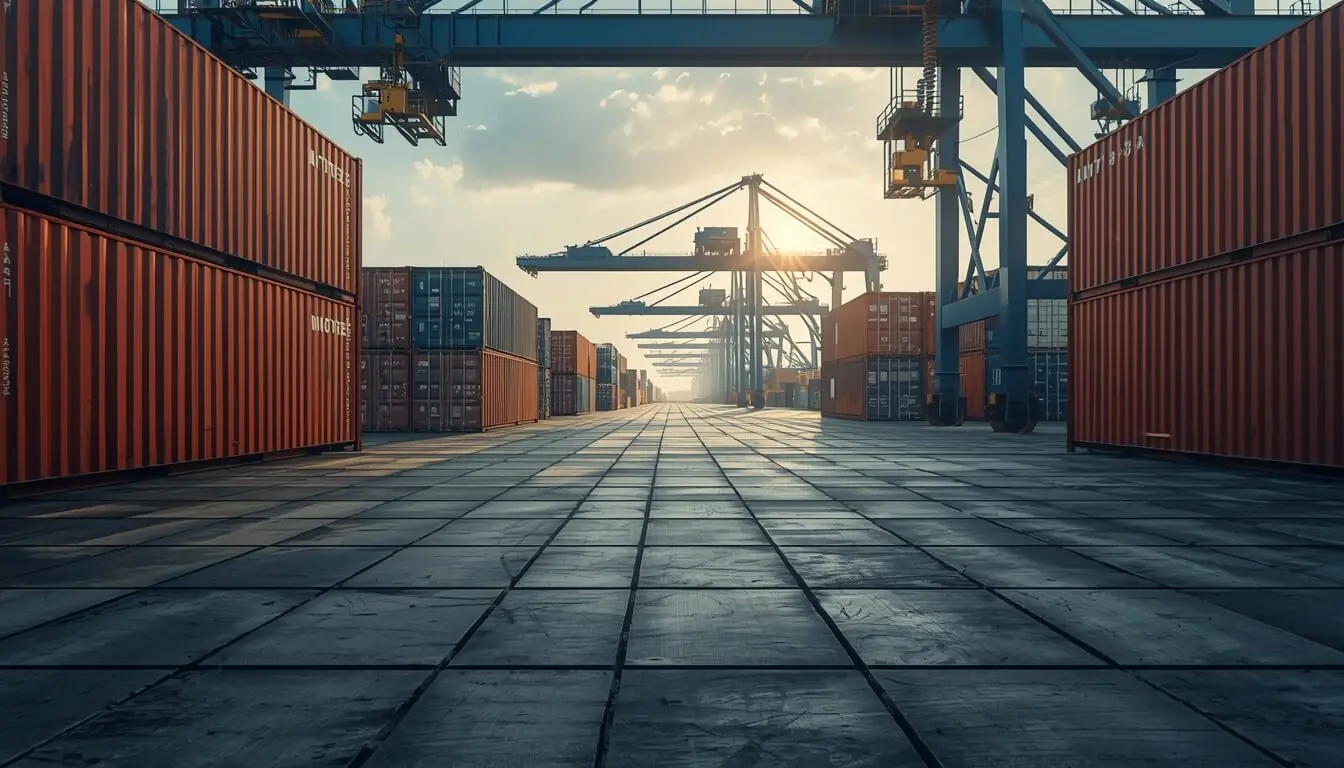
Container-based supply remains the backbone of international stone trade. But cost structures are evolving.
Key changes include:
- fluctuating freight rates
- increased focus on container optimization
- growing importance of mixed container strategies
Buyers are paying closer attention to:
- cost per usable square foot
- loading efficiency
- risk of damage during transit
Efficient container planning is now part of pricing strategy, not just logistics.
Demand for Quartzite and Performance-Oriented Materials
While marble remains a core material, demand continues to shift toward stones that offer:
- higher durability
- better resistance to staining and scratching
- lower maintenance
Quartzite, dense limestones, and certain engineered alternatives are gaining traction, especially in high-use environments.
This does not replace marble, but it changes how inventory is balanced.
Regional Differences Are Becoming More Important
The U.S. is not a single market.
Different regions show different demand patterns:
- Midwest – stable demand, practical material selection
- Texas – large-scale projects, strong volume demand
- Florida – climate-driven material choices
Suppliers who understand regional preferences can align inventory more effectively and reduce slow-moving stock.
Buyers Expect More Transparency from Suppliers
The way buyers evaluate suppliers is also changing.
More emphasis is placed on:
- clear slab representation (photos, videos)
- accurate description of material variation
- consistency between shipments
Trust is increasingly built through transparency, not just pricing.
Standardization vs Unique Materials
The market is splitting into two directions:
- standardized, repeatable materials for volume sales
- unique, high-variation materials for premium projects
Suppliers need to decide how they position their inventory. Trying to do both without a clear strategy often leads to inefficiencies.
What This Means for Buyers and Suppliers
For buyers:
- sourcing strategy matters more than ever
- direct supply can improve margins
- consistency reduces long-term costs
For suppliers:
- reliability is becoming a competitive advantage
- understanding fabricator needs is critical
- logistics and planning are part of the value proposition
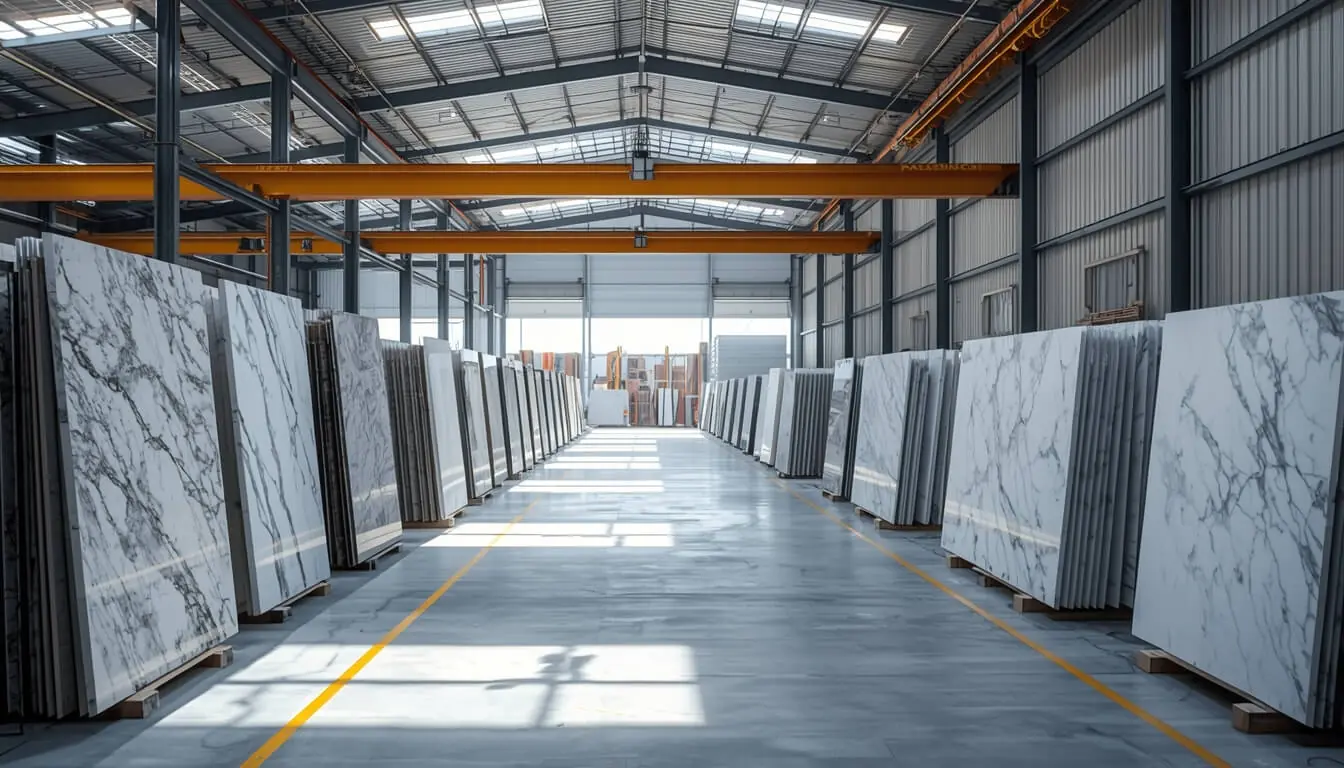
The natural stone industry in 2026 is evolving beyond simple supply and demand.
The key shifts are happening in how materials are sourced, how buyers evaluate quality, and how supply chains are structured.
Businesses that adapt to these changes will not just stay competitive – they will define the next stage of the market.