Across Europe, natural stone is entering a new phase. It is no longer selected only for prestige or tradition — it is now specified for performance, sustainability, longevity, and design authenticity.
For importers, wholesalers, distributors, and large-scale buyers, 2026 brings clearer patterns in demand:
- which materials are replacing others,
- how finishes are changing,
- and why sourcing strategy matters as much as the stone itself.
This article breaks down the key natural stone trends shaping European specifications in 2026, with a practical focus on what buyers are actively requesting from suppliers.
Sustainability Moves From Marketing to Procurement Criteria
European buyers are no longer satisfied with generic “eco-friendly” claims. Sustainability is now measured, documented, and compared.
What buyers expect:
- Clear origin and quarry transparency
- Long product lifecycle (stone vs short-life synthetic materials)
- Reduced replacement and maintenance costs
- Compatibility with green building frameworks
Natural stone benefits strongly here:
- It is not chemically manufactured
- It ages rather than degrades
- It can be refinished instead of replaced
Key takeaway for buyers:
Stone with a clear supply chain and consistent quarry output is becoming more valuable than rare but unstable materials.
Quartzite Continues to Gain Ground Over Marble in High-Use Areas
While marble remains a symbol of luxury, European kitchen and commercial designers are increasingly specifying quartzite.
Why quartzite is winning:
- Higher resistance to etching and scratching
- Better suitability for kitchens, hospitality, and mixed-use spaces
- Visual similarity to marble without the same maintenance concerns
In 2026, buyers are requesting:
- Light-toned quartzites with natural movement
- Neutral color palettes suitable for long-term design relevance
- Large-format slabs with consistent pattern flow
Marble is still specified — but more often for:
- bathrooms
- feature walls
- decorative elements
- lower-contact surfaces
“Quiet Luxury” Drives Finish Selection
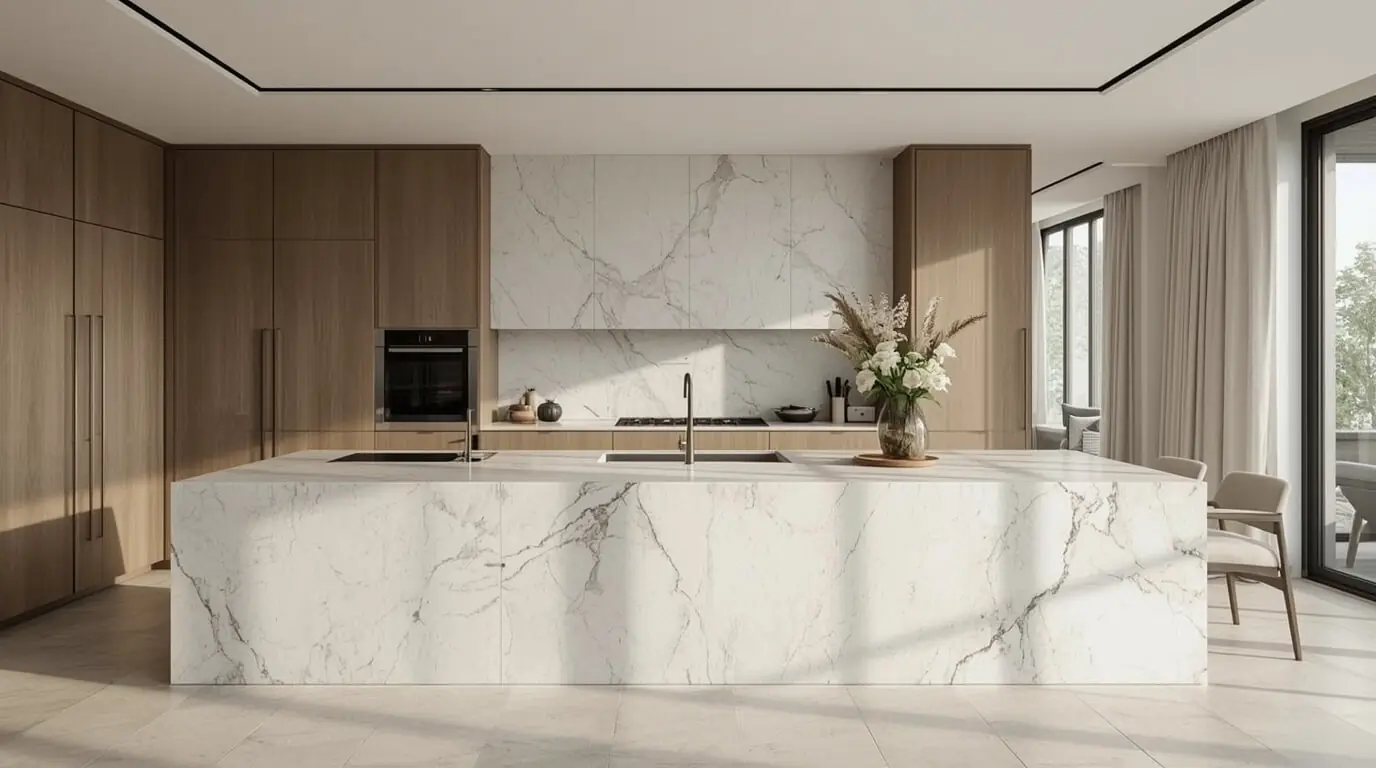
European interiors are shifting away from polished surfaces toward soft, tactile finishes.
The most requested finishes:
- Honed – matte, architectural, understated
- Leathered – textured, natural, visually warm
- Brushed – refined, slightly aged appearance
These finishes:
- Reduce glare
- Feel more natural to the touch
- Age better over time
- Align with minimalist and Scandinavian-influenced interiors
For buyers: finish capability is now as important as stone selection. Suppliers who can deliver consistent finishes at scale are preferred.
Stone as an Architectural Material, Not Just a Surface
Natural stone is increasingly specified beyond countertops and flooring.
Growing applications in Europe:
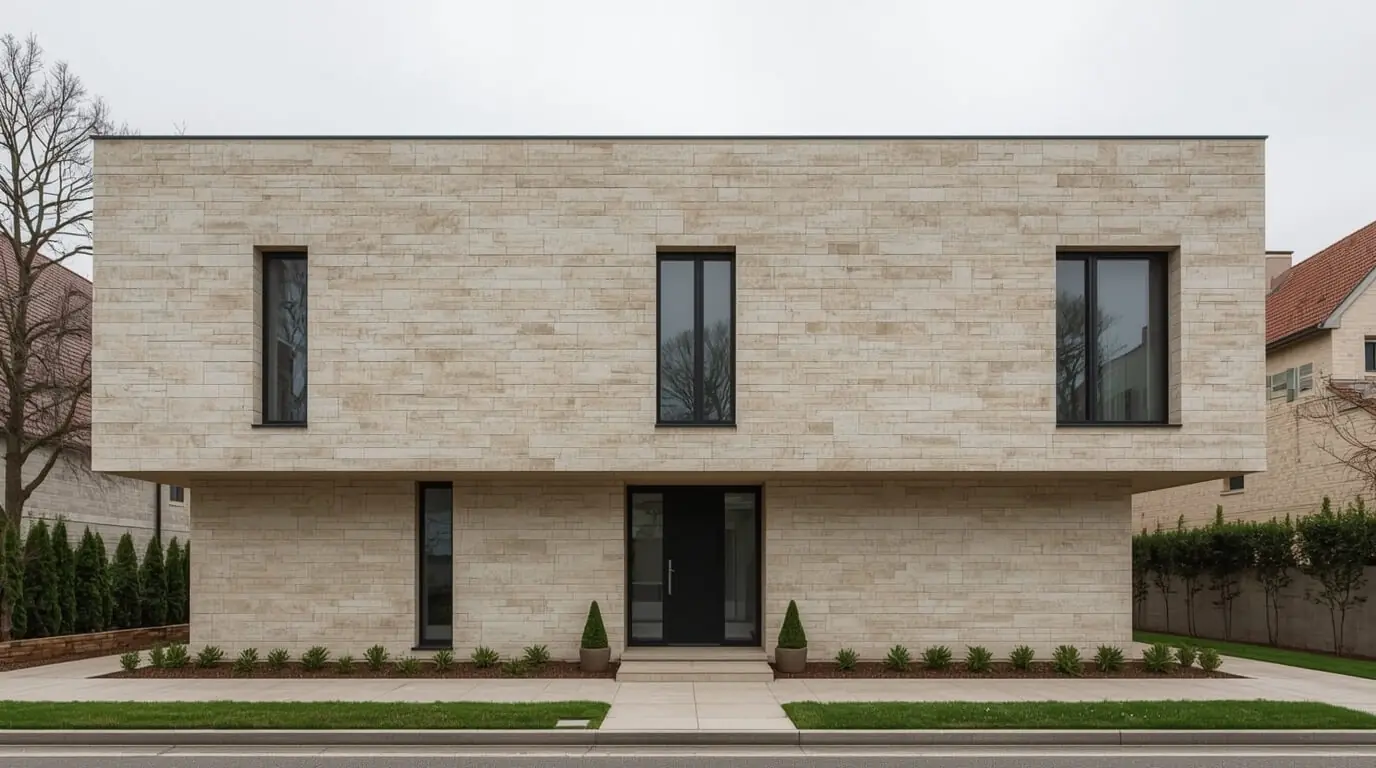
- Ventilated stone façades
- Exterior wall cladding
- Staircases and vertical architectural elements
- Integrated stone furniture and built-ins
Architects are using stone to:
- add mass and permanence to buildings
- create contrast with glass and steel
- improve thermal and acoustic performance
This trend favors suppliers who understand thickness tolerances, anchoring systems, and exterior-grade processing.
Outdoor Living Spaces Drive Demand for Durable Stone
Across Southern and Western Europe, outdoor living continues to expand.
Stone is widely specified for:
- terraces and patios
- pool surrounds
- garden walls and seating
- landscape architecture elements
Key buyer priorities:
- slip resistance
- weather durability
- color stability under UV exposure
- frost and moisture tolerance
Travertine, limestone, and certain granites are particularly strong performers in this segment.
Neutral Palettes With Natural Movement Dominate
Rather than bold colors, European buyers are choosing timeless neutrals with character.
Popular directions include:
- warm whites
- soft greys
- beige and sand tones
- subtle veining rather than dramatic contrast
The goal is longevity — materials that still feel relevant after 10–15 years.
For distributors, this means:
- faster stock turnover
- broader project compatibility
- lower risk of trend obsolescence
Demand Is Rising for Finished Stone Products
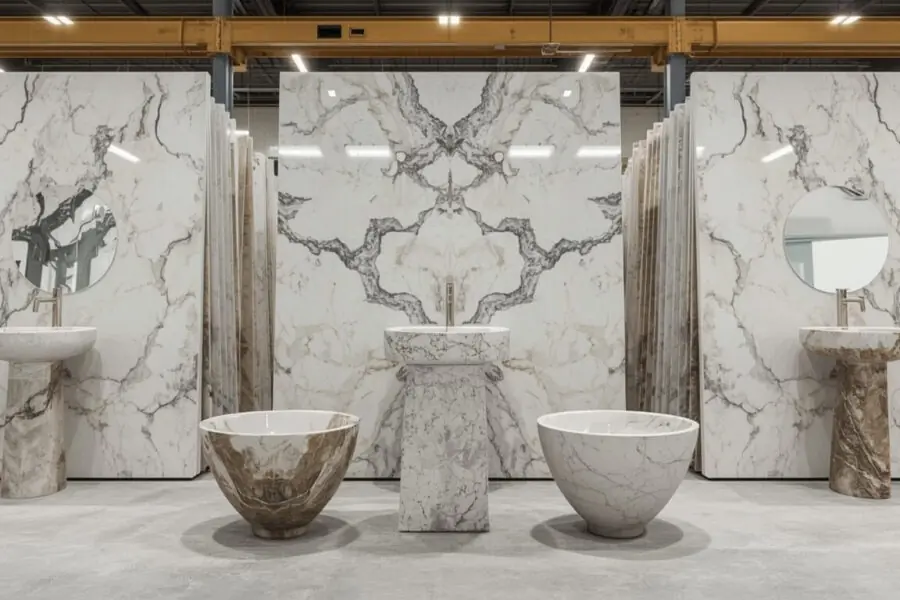
Beyond slabs and tiles, European buyers increasingly source finished stone products.
High-growth categories:
- stone basins and sinks
- bathtubs
- tables and consoles
- architectural stone elements
- custom-made pieces for hospitality and residential projects
Why buyers prefer finished products:
- reduced local fabrication costs
- consistent quality control
- shorter installation timelines
- design-ready solutions
This is especially relevant for hospitality, residential developments, and high-end renovation projects.
Reliability Beats Rarity in Supplier Selection
European buyers are becoming more selective about who they work with, not just what they buy.
Key supplier expectations:
- stable quarry access
- consistent block and slab quality
- predictable lead times
- export-ready logistics
- professional communication
Rare stones with unstable supply are often avoided in favor of materials that can be reordered, matched, and scaled across multiple projects.
Turkey’s Strategic Role in the European Stone Market
Turkey continues to strengthen its position as a preferred sourcing country for Europe.
Why buyers choose Turkey:
- wide geological diversity
- strong quarry-to-factory integration
- competitive pricing compared to Southern Europe
- experience with EU export requirements
- capacity for both raw material and finished products
For European importers and distributors, Turkey offers a balance between design variety, cost control, and production scalability.
What This Means for Buyers in 2026
European natural stone demand is becoming:
- more professional
- more performance-driven
- more documentation-focused
- less speculative
Buyers who align their sourcing strategy with these trends gain:
- stronger project reliability
- better margins
- fewer material risks
- long-term supplier partnerships
Natural stone in Europe is not losing relevance — it is becoming more refined, more technical, and more strategic.
For importers, wholesalers, and distributors, understanding these trends is essential not only for selling stone — but for building a supply chain that meets European expectations in 2026 and beyond.
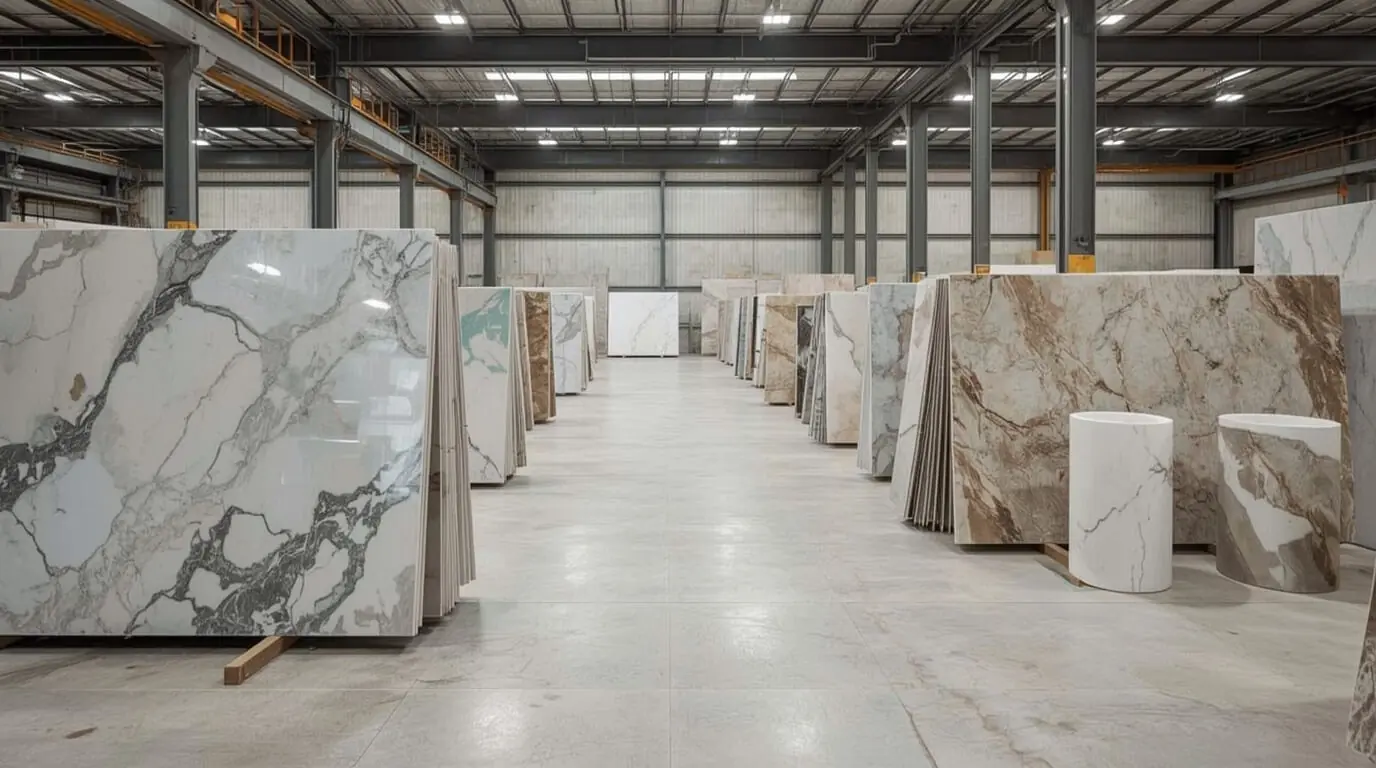
If you are sourcing natural stone slabs or finished stone products from Turkey for the European market, working with a supplier who understands:
- European specifications
- consistency and scalability
- logistics and export processes
can make a measurable difference in your projects and margins.
Contact HubWayStone to discuss materials, finished products, and sourcing solutions tailored to European buyers.