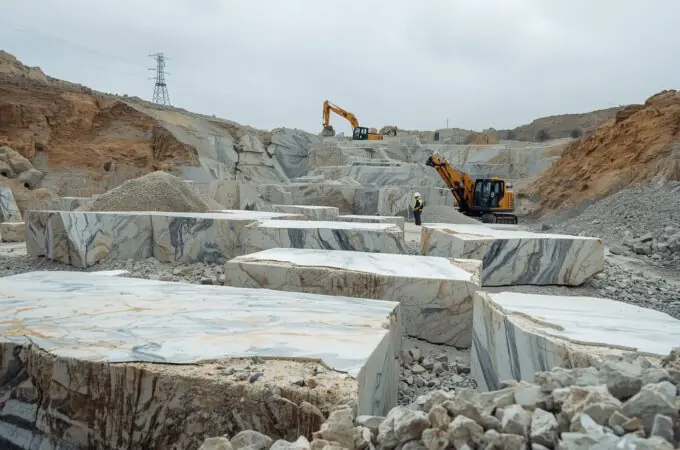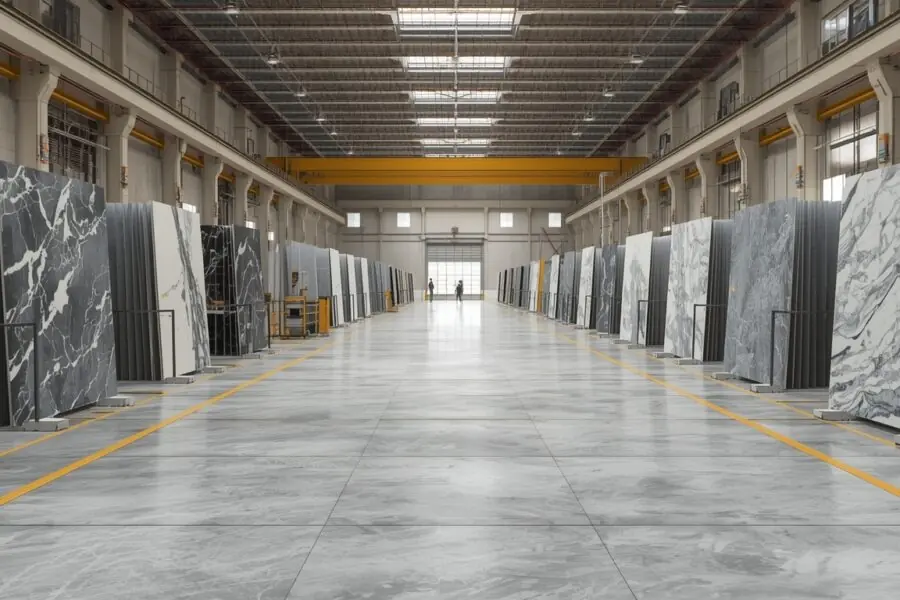
Turkey is one of the world’s largest exporters of natural stone, supplying marble, onyx, travertine, limestone, and granite to the U.S. every day. But many architects, contractors, and stone distributors face a critical question when sourcing materials.
Should you buy directly from a factory or work with a trading company?
Both options exist in the Turkish stone market, but the differences directly affect price, quality control, timelines, and long-term reliability. This guide explains how each model works and which is best for U.S. buyers.
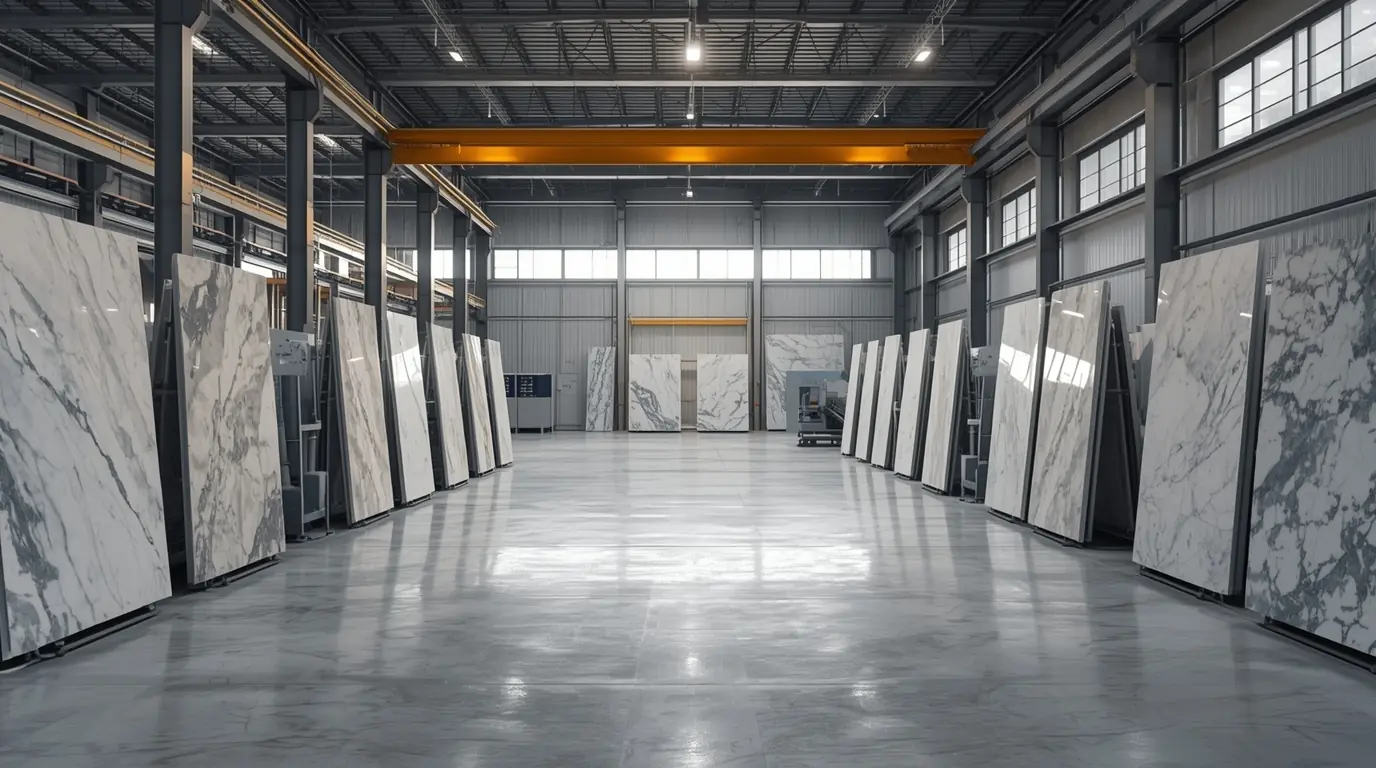
What Is a Stone Factory in Turkey?
A factory is a company that directly controls:
- Quarry extraction
- Block selection
- Cutting & slab production
- Surface finishing
- Packing & export
Some factories also own their own quarries, while others purchase blocks directly from quarry owners and handle all processing in-house.
Key Characteristics of Turkish Stone Factories
- Direct production control
- Stable coloring within batches
- Custom sizes & finishes
- Slab numbering & tracking
- Lower long-term pricing
Factories work best for:
- Bulk buyers
- Developers
- Hotel & commercial projects
- Long-term supply contracts
What Is a Trading Company?
A trading company acts as an intermediary. It does not produce stone itself. Instead, it:
- Sources material from multiple factories
- Resells under its own contract
- Handles export paperwork
- Often combines multiple suppliers in one order
Key Characteristics of Trading Companies
- No direct production control
- Flexible material selection
- Easier small-order handling
- Faster quotes on mixed materials
- Higher price margins
Trading companies work best for:
- Small buyers
- Sample orders
- Mixed stone variety requests
- One-time residential projects
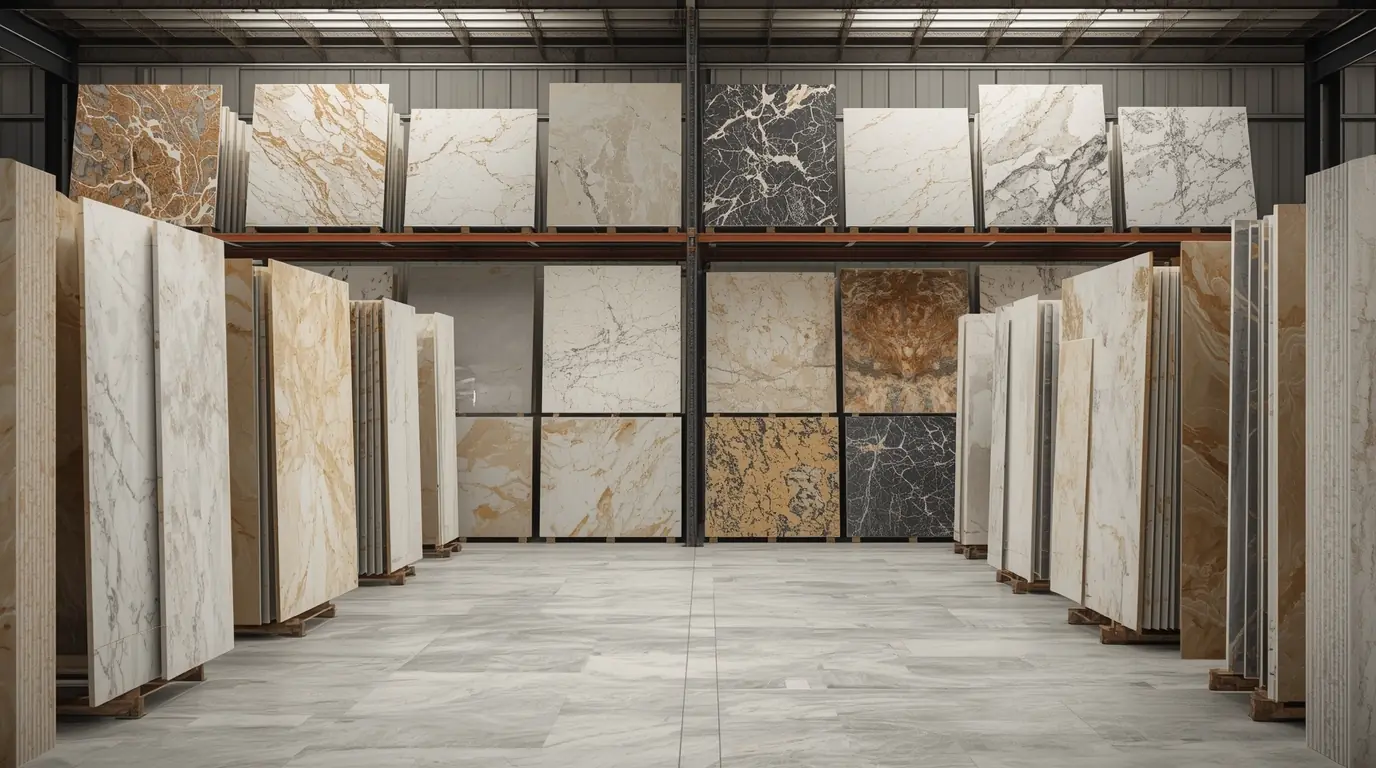
Main Differences: Factory vs Trading Company
| Category | Factory | Trading Company |
| Production | Direct control | Outsourced |
| Pricing | Factory-direct | Marked up |
| Quality control | Full slab tracking | Limited visibility |
| Custom sizes | Available | Often limited |
| Batch consistency | High | Medium |
| MOQ | Higher | Lower |
| Risk level | Lower | Higher |
Pricing Differences Explained
Buying directly from a factory eliminates:
- Middleman margins
- Re-resale commissions
- Double logistics handling
This typically results in:
- 10–25% lower slab pricing on bulk orders
- Better pricing stability over time
- Fixed production contracts
Trading companies, by contrast, add risk-based margins since they depend on third-party production.
Quality Control & Risk Management
Factory Buyers Benefit From:
- Block-to-slab traceability
- Live production video inspections
- Slab-by-slab approval
- Controlled finishing consistency
- Stronger packing standards
Trading Company Buyers Risk:
- Mixed block origins
- Uneven surface finishing
- Color range inconsistency
- Last-minute supplier changes
For projects where visual uniformity is critical, factory sourcing is always safer.
Custom Production & Project Matching
Factories can handle:
- Bookmatching & vein-matching
- Special surface textures
- Non-standard thickness
- Cut-to-size programs
- Project-exclusive production runs
Trading companies usually rely on:
- Available stock
- Standard factory sizes
- Ready-made slab batches
This makes factories far superior for:
- Hotels
- Large residential projects
- Corporate headquarters
- Public buildings
Logistics & Export Differences
Both factories and trading companies can export to the U.S., but the responsibility differs.
Factories Offer:
- Direct packing supervision
- Optimized crate loading
- Controlled moisture protection
- Direct coordination with ports
Trading Companies Often:
- Depend on multiple factory schedules
- Combine shipments from different sources
- Face higher delay risks during peak seasons
FOB vs DAP When Working With Each Model
- Factory + FOB: Best pricing for experienced U.S. importers
- Factory + DAP: Best balance of control and simplicity
- Trading + DAP: Simplest entry, but at the highest cost
When a Trading Company Makes Sense
A trading company can still be useful when:
- You need small quantities
- You require 3–4 stone types in one container
- You are testing the market
- You need fast sample lots
For full-scale construction, however, trading is rarely the best long-term choice.
When a Factory Is the Best Choice
You should work directly with a factory when:
- You buy full containers
- You need color consistency
- You want project-exclusive production
- You need stable pricing
- You manage phased developments
Factories are also far more reliable for:
- Long-term partnerships
- Private label stone programs
- Multi-year supply contracts
Common Buyer Mistakes
- Choosing only based on the lowest quote
- Not asking who controls production
- No slab numbering
- No factory inspection
- No block origin confirmation
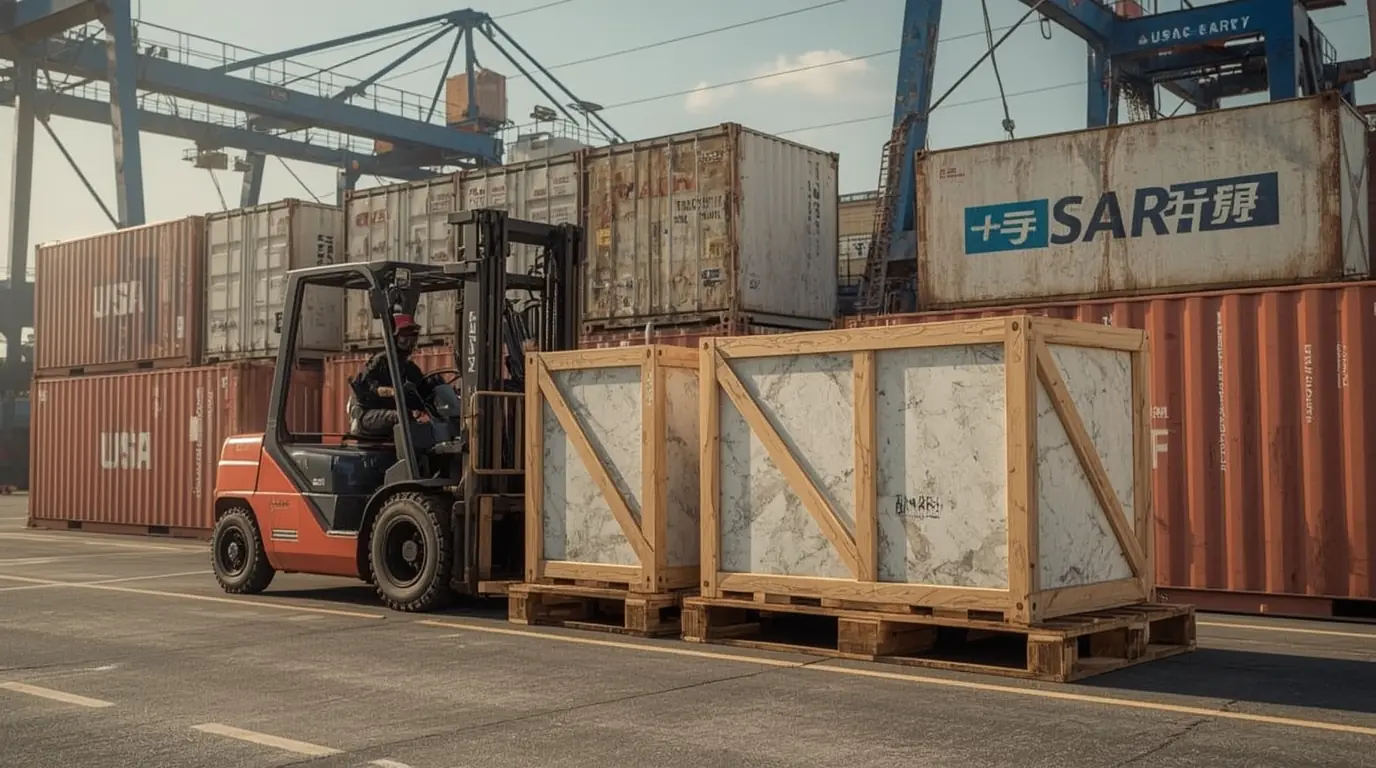
The difference between a factory and a trading company in Turkey is not just structural — it directly impacts price, risk, quality, and long-term project success.
For architects, contractors, developers, and distributors in the U.S., working directly with a factory is the safest and most profitable strategy for medium and large-volume stone sourcing.
Trading companies remain useful for samples and low-volume variety orders — but they should not be relied upon for serious construction supply chains.