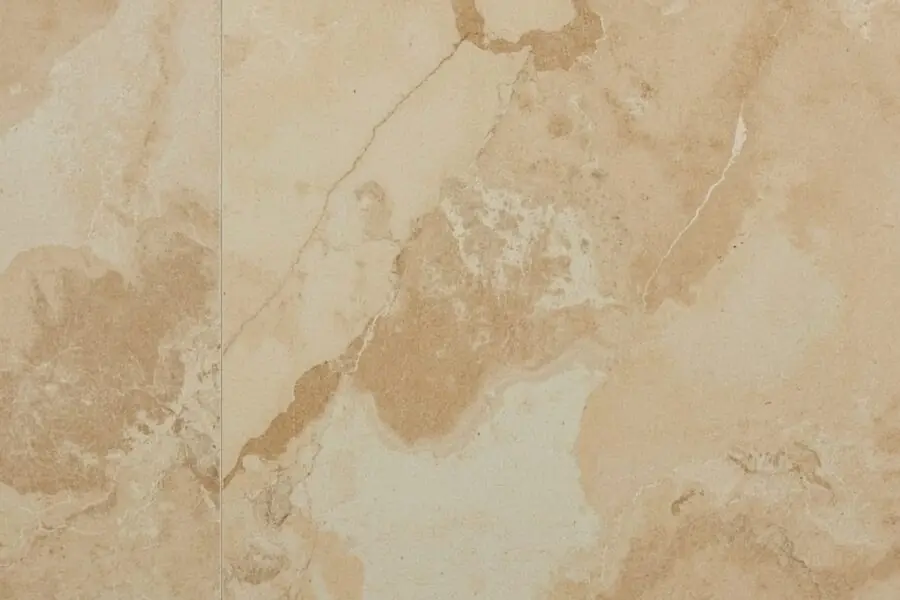
Travertine tiles bring timeless elegance to floors, patios, and bathrooms, but over time they can lose their natural shine. Foot traffic, improper cleaning products, moisture, and everyday wear gradually dull the surface. The good news? In many cases, you can restore the shine of old travertine tiles using safe DIY methods—without costly professional restoration.
Below are proven, stone-safe techniques to help bring your travertine back to life.
Why Travertine Loses Its Shine
Travertine is a natural limestone with a porous structure. Unlike glazed ceramic tiles, its surface is sensitive to:
Looking for reliable stone supply?
We organize direct quarry sourcing from Turkey with container-based delivery across the U.S. Structured for fabricators, contractors and project-based supply.
- Acidic cleaners (vinegar, lemon, bleach)
- Abrasive tools
- Hard water residue
- Dirt trapped in pores
- Worn sealant layers
Understanding this is key: restoring shine is not about polishing aggressively, but about proper cleaning, sealing, and gentle surface renewal.
Step 1: Deep Clean with a pH-Neutral Stone Cleaner
Before any restoration, remove built-up grime that dulls the surface.
How to do it:
- Sweep or vacuum the tiles thoroughly.
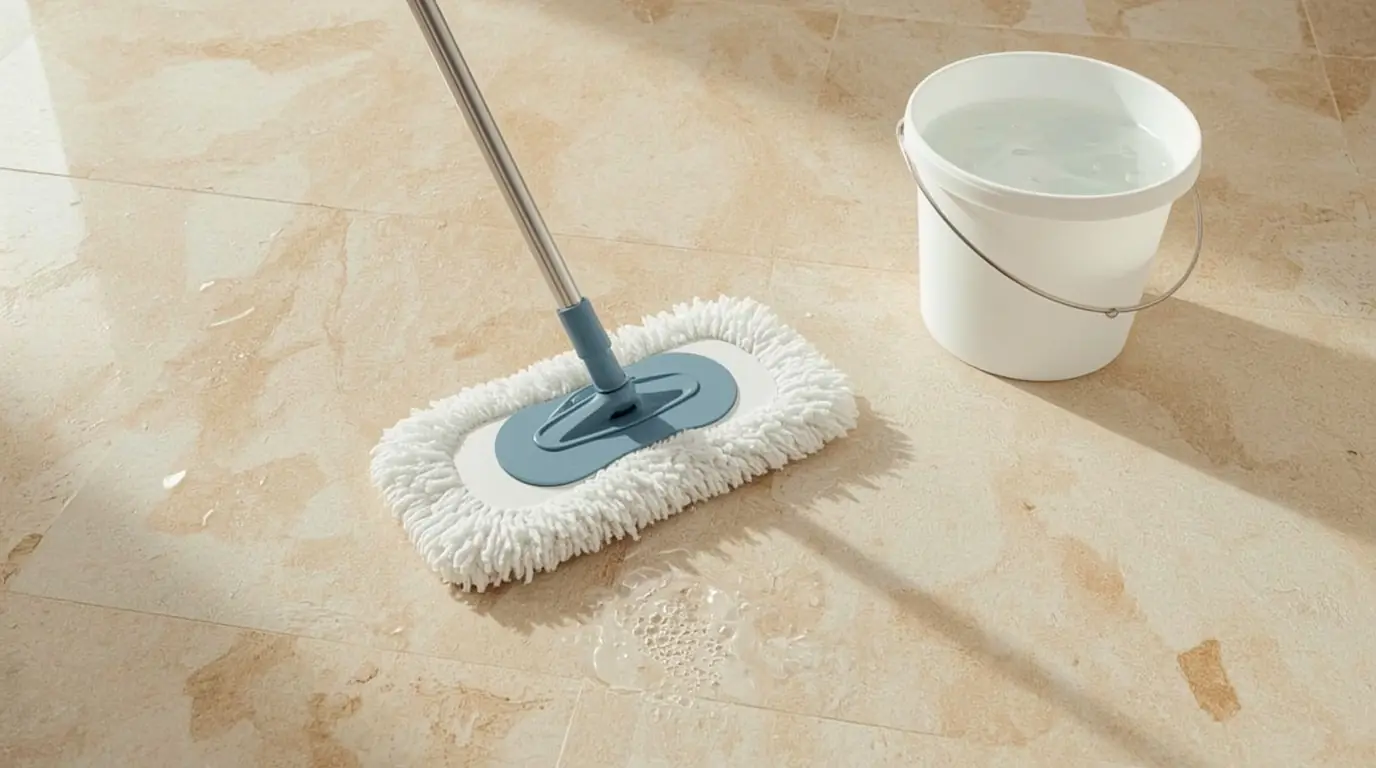
- Use a pH-neutral stone cleaner diluted according to instructions.
- Mop with a soft microfiber mop.
- Rinse with clean water and dry completely.
Avoid acidic or alkaline cleaners—they permanently etch travertine and reduce shine.
Step 2: Remove Residue and Mineral Deposits Safely
If tiles look cloudy, residue may be the issue.
DIY approach:
- Mix warm water with a small amount of stone-safe soap.
- Use a soft nylon brush for textured or tumbled travertine.
- For hard water buildup, choose a travertine-approved mineral remover (never DIY acids).
This step alone often restores noticeable brightness.
Step 3: Refill Pits and Holes (Optional but Recommended)
Older travertine often has open pores or small holes that trap dirt.
What to use:
- Travertine filler or color-matched stone epoxy
- Plastic scraper for smoothing
Once filled and cured, the surface reflects light more evenly, enhancing shine.
Step 4: Apply a Stone Enhancer or Sealer
This is one of the most effective DIY ways to restore shine.
Option A: Stone Enhancer Sealer
- Deepens color
- Adds a subtle, natural sheen
- Protects from stains
Option B: Natural Look Sealer
- Keeps original appearance
- Adds protection without darkening
Application tips:
- Apply with a soft cloth or applicator
- Allow penetration time
- Buff off excess thoroughly
Result: richer tone, cleaner surface, renewed glow.
Step 5: Light Polishing with Stone-Safe Pads
For honed or polished travertine floors, gentle polishing can revive shine.
DIY-friendly tools:
- Low-speed floor buffer or handheld polisher
- Diamond polishing pads (high grit only: 1500–3000)
Do not attempt heavy grinding or low-grit polishing at home—it may cause irreversible damage.
Step 6: Establish a Shine-Preserving Maintenance Routine
Restored travertine stays beautiful longer with proper care:
- Use only pH-neutral cleaners
- Wipe spills immediately
- Place mats in high-traffic areas
- Reseal every 1–3 years depending on use
Consistency is the secret to long-lasting shine.
When DIY Is Not Enough
If travertine tiles are deeply scratched, etched, or uneven, professional honing and polishing may be required. DIY methods are ideal for maintenance and mild restoration, but severe damage needs expert equipment.
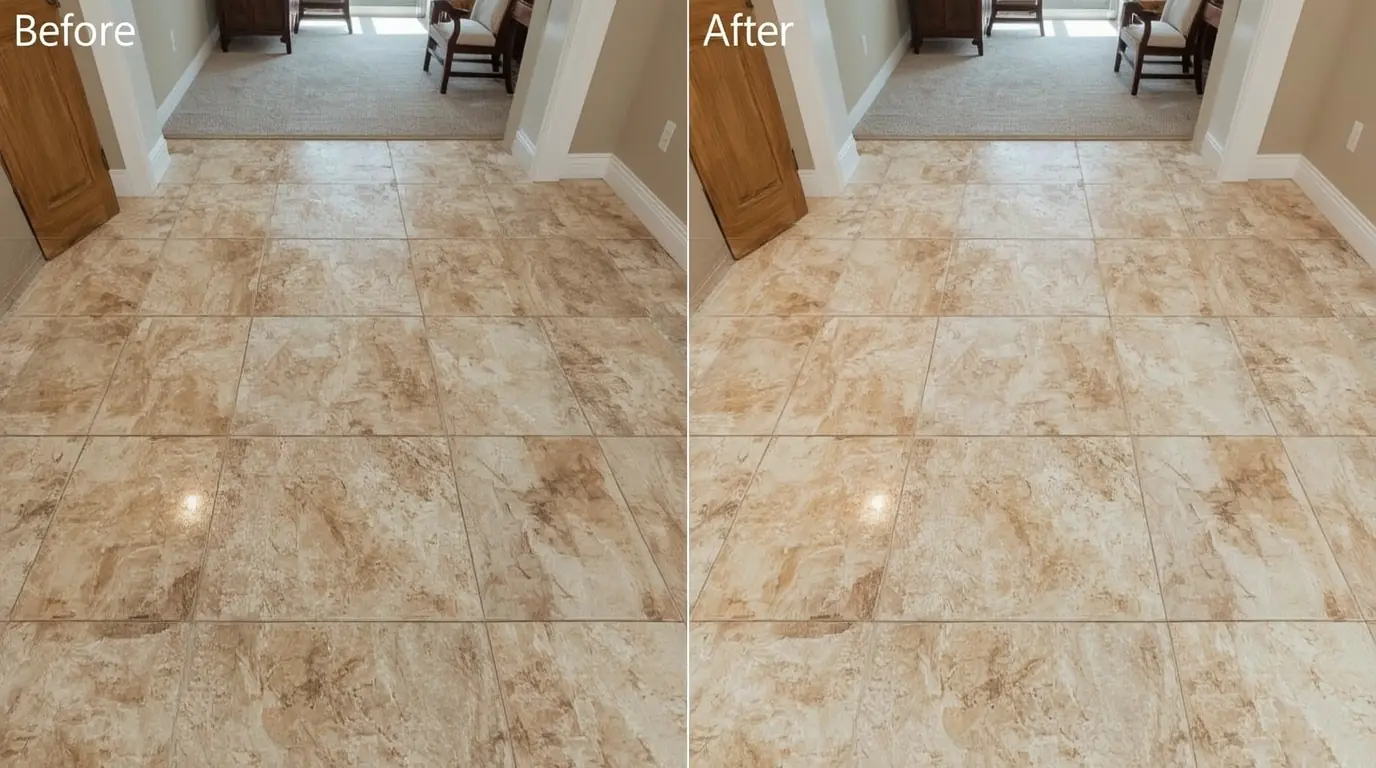
Restoring shine to old travertine tiles doesn’t have to be complicated or expensive. With the right products and techniques, DIY restoration can dramatically improve appearance while preserving the natural beauty of the stone.
At Hubway Stone, we work with premium Turkish travertine from quarry to finished surface and understand how proper care extends the life and elegance of natural stone.